
In addition to producing the flagship fortnightly African Energy, AE’s team of experienced analysts also produce briefings and reports on a range of topics and issues that affect the region. Our expertise can be tapped by anyone and delivered in a range of formats. For more information contact Nick Carn. nick@africa-energy.com
Atlas 2010
Sponsored by
AfricaHardball is an executive dialogue that brings together policy-makers, industry leaders and analysts to discuss the key political issues affecting the African energy industry in frank and open terms.
The next AfricaHardball roundtable wil be held on 29 June, prior to the start of EnergyNet Ltd’s annual Africa Energy Forum (AEF), in Basle. Read more
Libya's Energy Future
Based on African Energy’s unparalleled track record in following Libya’s energy story and careful, originally sourced reporting from Libya and global markets, this special report analyses the major issues and the financial and political trends influencing development of Libya's energy industries. Read more
AfricaConnect seeks to stimulate the development of Africa's energy and electricity sectors as indispensable drivers of growth and self-sufficiency, through international campaigns to publicise Africa's critical power and energy shortages.
The nomination of 2010 as "The Year of Electrifying Africa" (YEA), will be a major feature of the campaign. Read more
For a decade, African Energy has been the definitive publication analysing and breaking news on the continent’s energy industries.
We hope you enjoy browsing our online information portal. Please note that some of African Energy’s content is available to subscribers only: all items preceded by a padlock symbol () require a subscription to access.
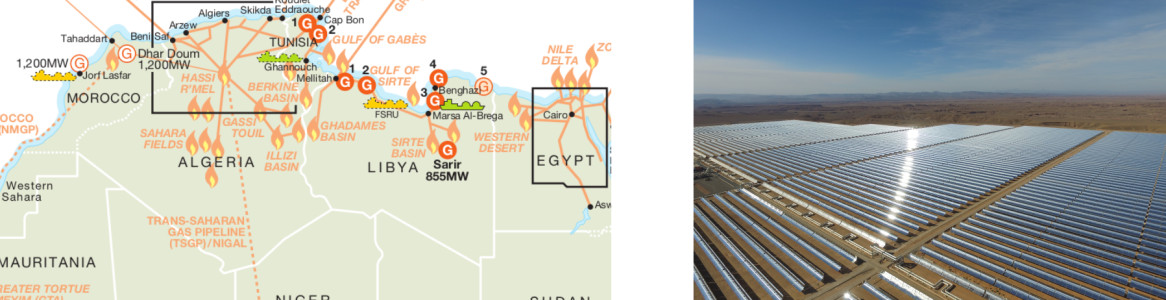
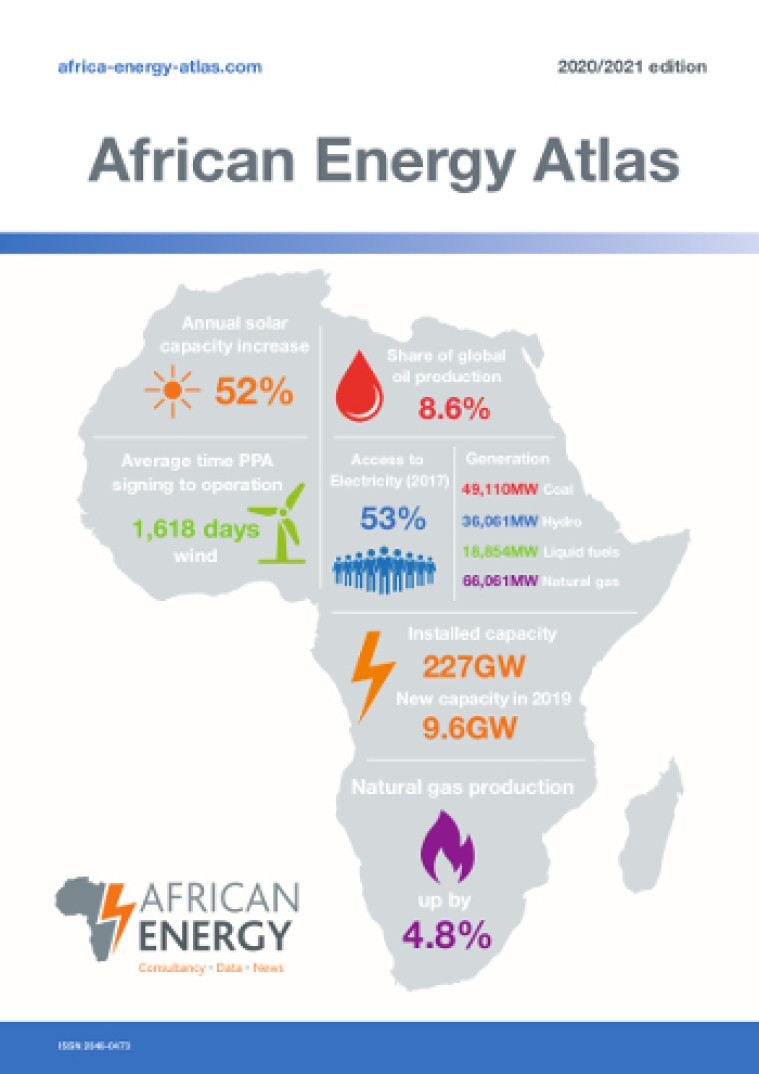
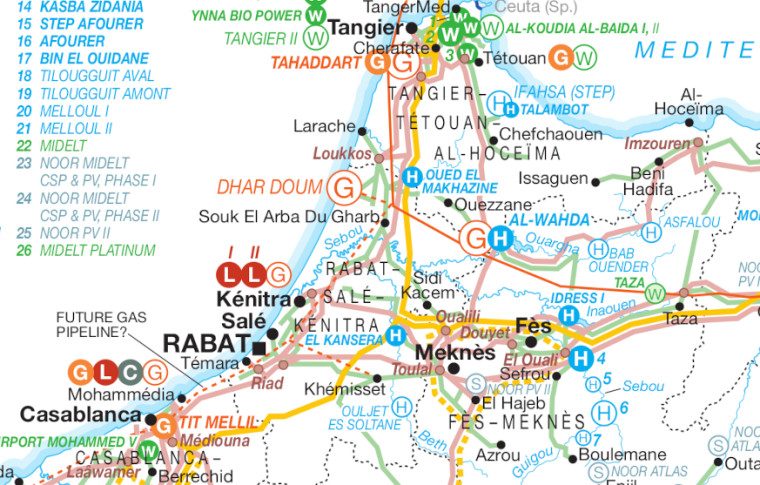
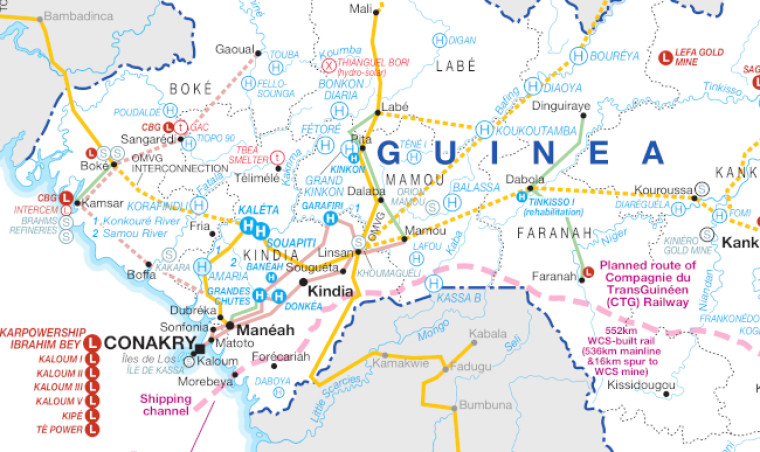
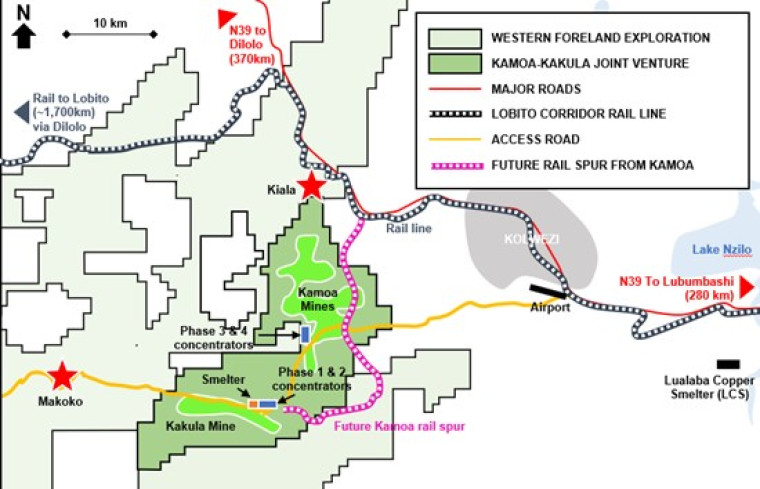
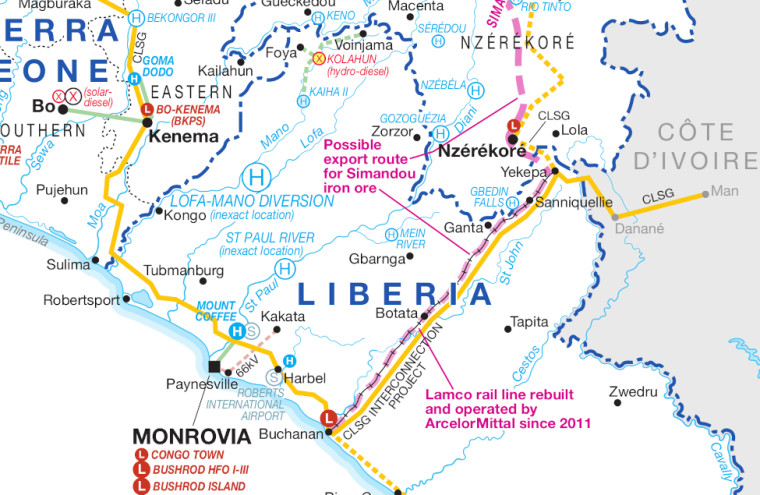
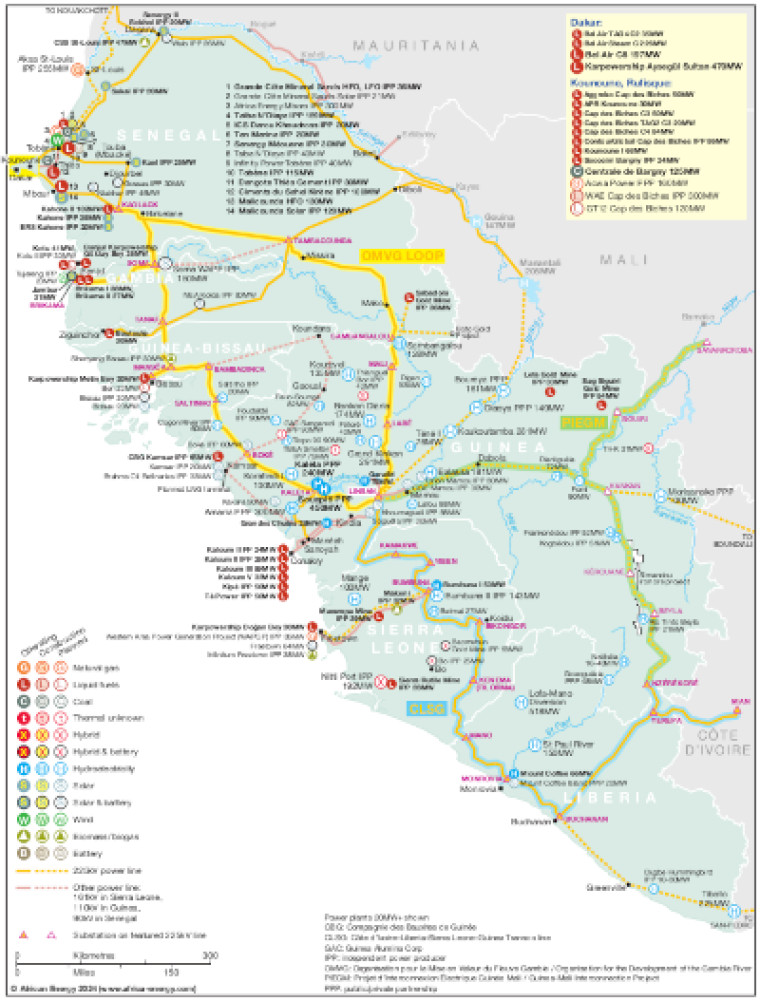
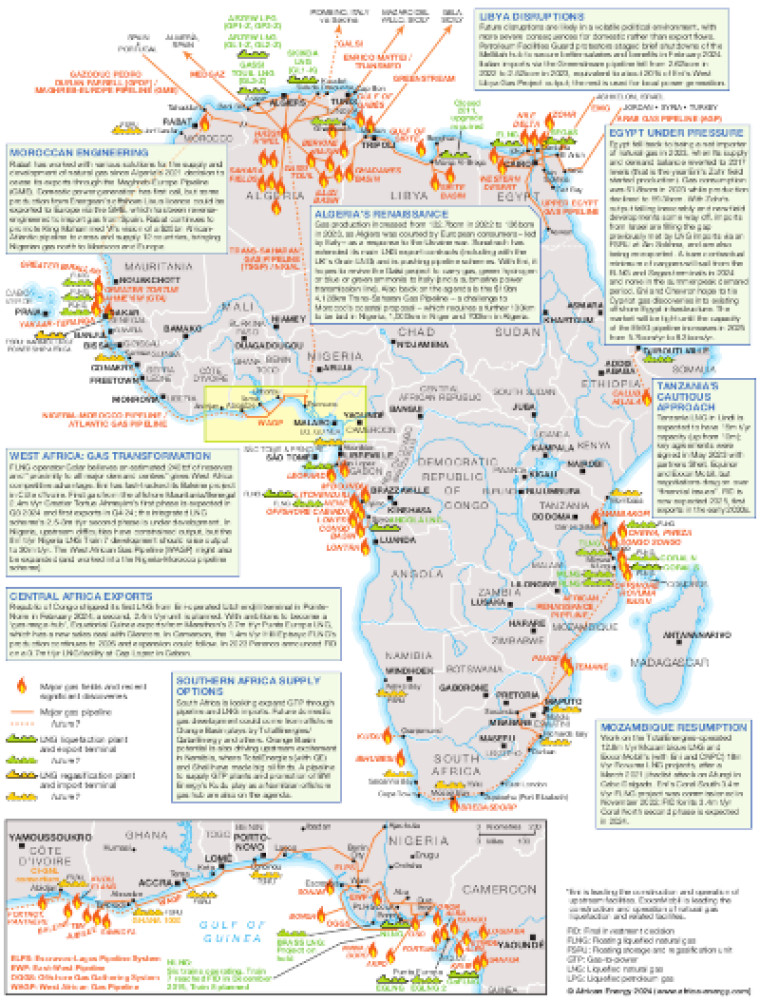
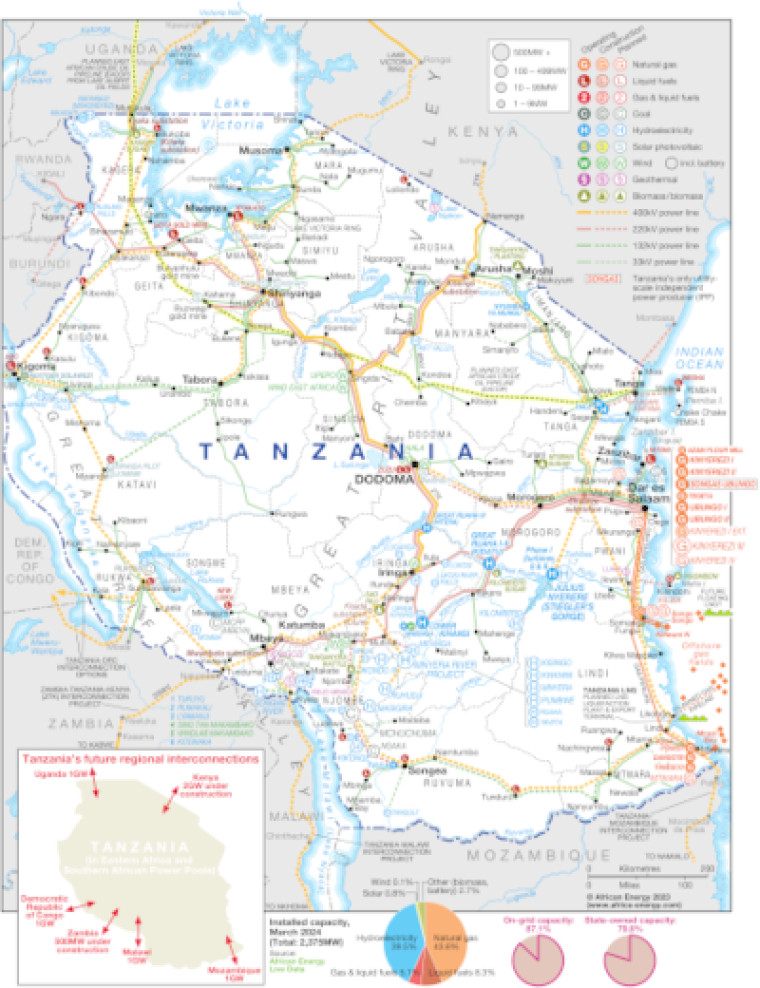
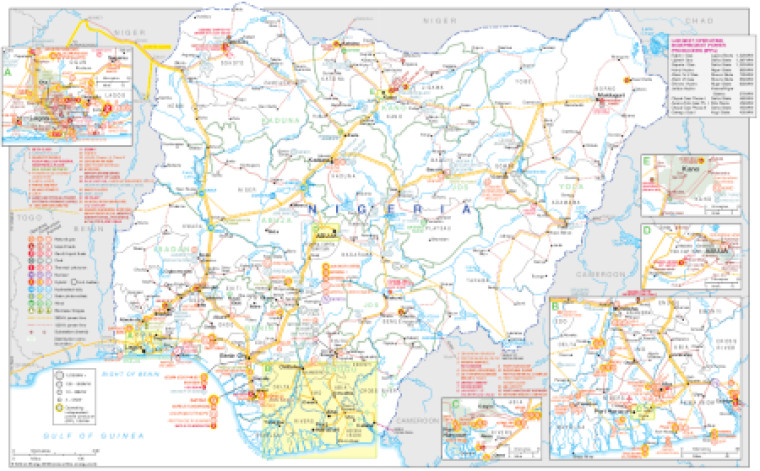
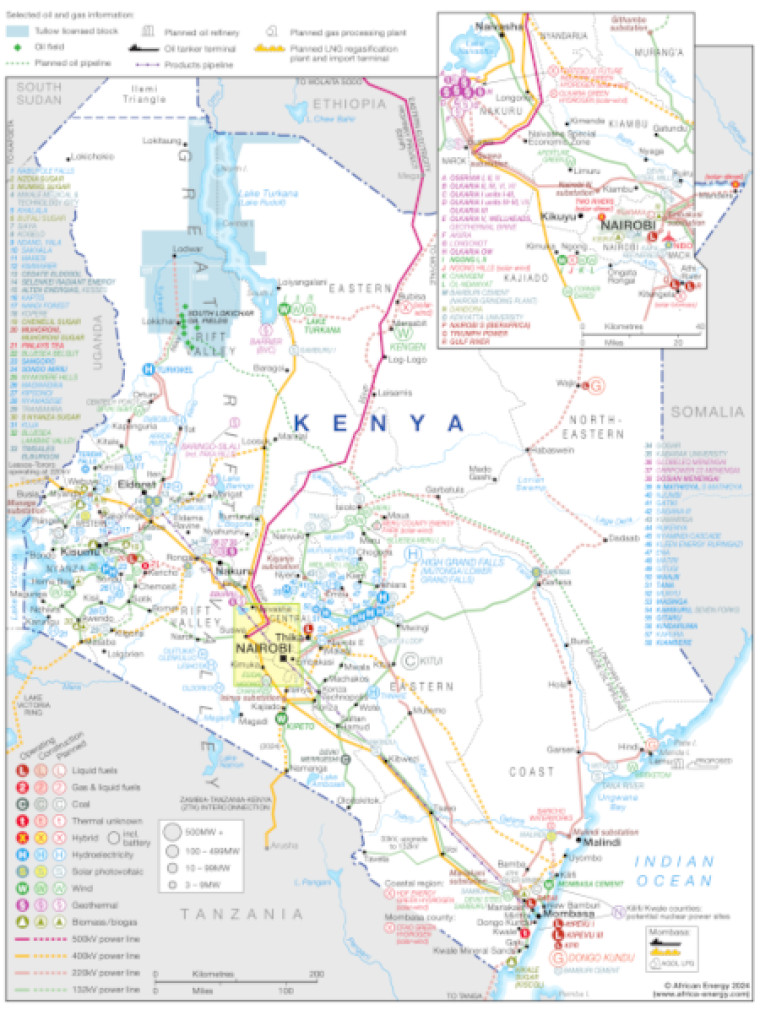
The African Energy Atlas 2010, sponsored by APR Energy, illustrates the biggest stories that broke in 2009. In addition to 28 full colour maps drawn with such expert care by 'journalist cartographer' David Burles, the atlas includes a review of 2009 and takes a look at the likely trends and prospects for Africa's energy industries in the year ahead. Read more
Controversy over who buys what in Ghana and Uganda points to an increasingly politicised industry
The discreet but intense battle between Tullow and Eni over the sale of Heritage Oil’s Uganda acreage, and investigations and mud-slinging around Ghana’s Jubilee field show how politics can severely complicate the oil industry’s approach to new frontiers,write Thalia Griffiths, Our Accra Correspondent andJon Marks
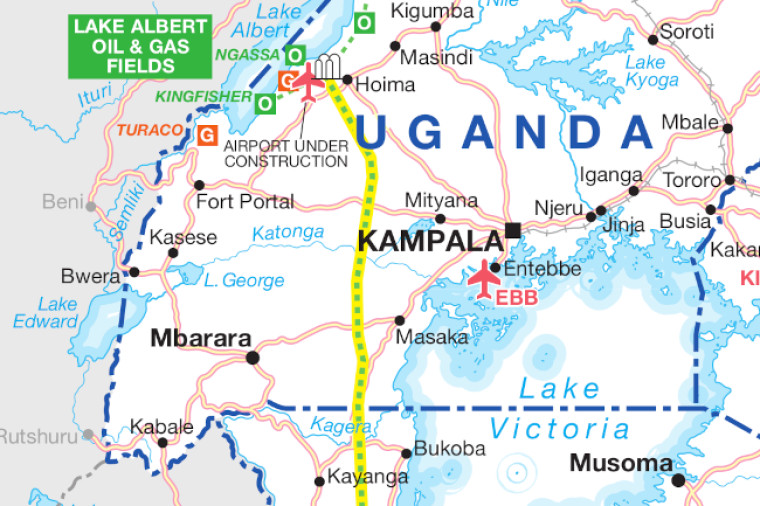
Tullow Oil’s pre-emption of Heritage Oil’s sale of its Ugandan holdings to Eni is far from a done deal, even though it was comfortably able to raise £925m ($1.5bn) in a 27 January share placing. Eni has stepped up its lobbying with a visit by Italian foreign minister Franco Frattini, while Tullow has said it is in talks with China’s CNOOC and France’s Total – partners which might appeal to President Yoweri Museveni, who has his own ideas on how Uganda’s nascent industry should develop and wants more investment ahead of elections in 2011.
Tullow needs a partner to build a refinery and export pipeline to Mombasa. The Ugandan government has just contracted Foster Wheeler for a feasibility study. Added complications include lobbying by Libyan leader Muammar Qadhafi in support of Eni, which has forged close ties with Tripoli. Qadhafi has also been courting the King of Bunyoro, Solomon Gafabusa Iguru, in whose fief the oilfields are located.
Tullow is a key player in developing Ghana’s Jubilee field, which is due to start production in Q3 10. But the focus of controversy is its partner Kosmos Energy’s decision to sell its stake, and the role of minority West Cape Three Points Block shareholder EO Group in any deal. The National Democratic Congress (NDC) government believes EO’s owners George Yaw Owusu and Kwame Bawuah Edusei were fronting a vehicle to channel funds into the former ruling New Patriotic Party (NPP); the NDC attorney-general Betty Mould-Iddrisu plans to take action. A range of Ghanaian players have become involved in manoeuvres surrounding the asset sale and a wider debate over the future role of Ghana National Petroleum Corporation. This has complicated the outlook for ExxonMobil and other major IOCs which have been vying to buy into this new frontier.
more (opens new window)
Nersa ruling to clarify Eskom's finances
Regulator Nersa is due to decide on 24 February on a tariff increase for Eskom, which has asked for 35%/yr over three years, but even if this is granted the South African utility will still need more cash to finance urgently needed new generating capacity. Funds are coming from the World Bank and African Development Bank, and Standard & Poor’s has removed Eskom from credit watch status. But the utility is still in limbo after the chairman resigned and the chief executive departed. more (opens new window)
South left behind as Khartoum beefs up its infrastructure
The Khartoum authorities have been working steadily to develop Sudan’s power infrastructure with new generation and transmission facilities, but as African Energy’s new Sudan power update shows, the south still lags behind. If southern Sudanese opt for independence in next year’s referendum, lack of electricity – and of capacity to manage projects – will pose a major challenge to the new state. Despite its supposed international isolation, the north has a string of new plants due on stream this year. more (opens new window)
What next for Algeria after Sonatrach probe?
After a corruption scandal hit state company Sonatrach’s senior management, energy and mines minister Chakib Khelil is among officials whose future is in doubt (AE 179/1). Anti-corruption investigations launched by Major General Mohammed ‘Tewfik’ Medienne’s Département de Renseignement et de Sécurité threaten to extend more deeply and widely, as the powerful state security service and its judicial allies delve into Sonatrach, other state companies and privatisation deals. Khelil insists that he knew nothing of the goings-on at Sonatrach.
An important pointer will be the eventual shape of Sonatrach’s new permanent management. Will they again be close to President Abdelaziz Bouteflika’s ‘clan’ – mainly focused on delivering the minister’s writ, as was the case with Mohammed Meziane and the previous team – or will a different management emerge? This might include Sonatrach managers sidelined by Khelil, such as former vice president for marketing Ali Hached or ex-chairman Abdelhak Bouhafs.
Given Algeria’s recent lacklustre performance in attracting investment, many in the industry believe it could well be time for a radical change, whatever the truth of the corruption charges. more (opens new window)
Country Archive
African Energy has launched its new Country Archive pages, allowing easy access to more than six years of premium news and analysis.
Subscribers and non-subscribers may view the headlines for current and archived news and analysis but only African Energy Internet subscribers have full access to the material – read more about subscriptions
The first six featured countries are Algeria, DR Congo, Kenya, Libya, Nigeria and South Africa. New country archive pages will be added on a regular basis, starting with Ghana, and followed by Botswana. Visit the Country Archive
Based on African Energy’s unparalleled track record in following Libya’s energy story and careful, originally sourced reporting from Libya and global markets, this special report analyses the major issues and the financial and political trends influencing development of Libya's energy industries.
Alongside the main report the The Libya Oil & Gas Handbook profiles the major players and identifies the key contacts of companies operating throughout the hydrocarbons sector. The handbook has been designed to be used in conjunction with the maps and project listings in Libya’s Energy Future to form an indispensable guide to the Libyan hydrocarbons sector.
Libya’s Energy Future offers not only detailed insight into specific projects and players, but also a clear understanding and analysis of the dominant issues, making it essential reading for anyone serious about doing business in Libya
Read moreabout the features of Libya's Energy Future plus text excerpts from the report and sample articles from the African Energy archives